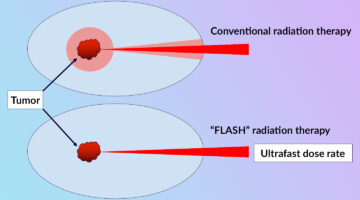
To clarify the underlying mechanisms of the FLASH effect, in which the delivery of ultrafast, high-intensity doses of radiation to tumors counterintuitively reduces damage to surrounding healthy cells, researchers directly compared the oxidative effects of conventional and FLASH techniques using x-ray footprinting at the ALS. Read more »
Science Briefs
Case Study of Aerosol Particles Influenced by Wildfire
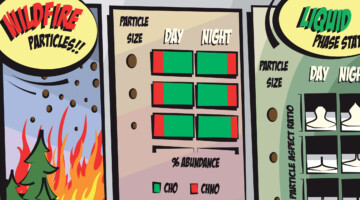
Researchers studied atmospheric aerosols influenced by wildfires in the Pacific Northwest. They examined the connection between particle size, chemical composition, and phase state, in particles collected during the day and at night. The information is important for modeling the effects of wildfire smoke on atmospheric properties. Read more »
Bifurcation of High- and Low-Energy Electrons in Microbial Metabolism
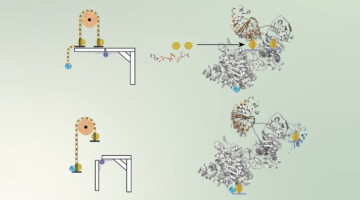
A class of chemical reaction found only in biology, electron bifurcation channels two electrons from one donor to two separate acceptors, with one electron elevated in energy at the expense of lowering the energy of the second. Researchers used the ALS to study this process in a microbial protein involved in this bioenergetic pathway. Read more »
The Effects of Diabetes on Spinal-Column Biomechanics
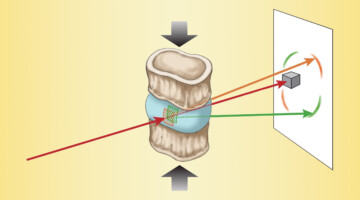
Researchers found that type 2 diabetes induces earlier onset of plastic (nonrecoverable) deformation in intervertebral discs by impairing the biomechanical behavior of collagen. A greater understanding of the underlying causes of tissue failure in diabetes—a growing problem worldwide—is important in helping to prevent and treat symptoms. Read more »
Cobalt or Nickel: Which is Better for High-Energy Battery Cathodes?

High-energy Li-ion batteries can provide both high capacity and high voltage, both of which are important in electric vehicles for greater range and faster acceleration. Here, researchers untangled the contributions of nickel and cobalt in high-energy Li-rich battery cathodes, pointing the way to optimizing them via a compositional approach. Read more »
A Bio-Inspired Metal-Organic Framework for Capturing Wellhead Gases
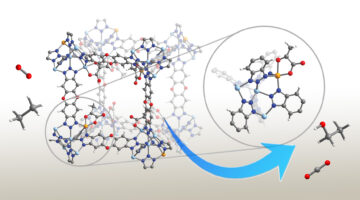
Burning of natural gas at oil and gas wells, called flaring, is a major waste of fossil fuels and a contributor to climate change. In this work, researchers synthesized and characterized a metal-organic framework that uses biomimetic chemistry to convert wellhead gases into economically valuable feedstocks for petrochemical products. Read more »
“Computer Vision” Review of X-Ray Movies Leads to New Insights
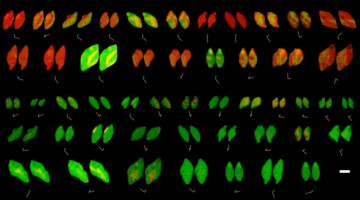
Using a type of machine learning called “computer vision” to mine data from x-ray movies, researchers made new discoveries about the reactivity of a material in rechargeable batteries. The results suggest that optimizing the carbon layer thickness on the electrode surface could help researchers to design more efficient batteries. Read more »
Building a Two-Dimensional Magnet One Atom at a Time

Researchers synthesized a new two-dimensional ferromagnet and measured how its electronic and magnetic properties evolve with increasing thickness and temperature. Such atomically thin magnetic materials with tunable magnetic properties would be very useful in next-generation microelectronic and spintronic applications. Read more »
Immune Response Spurs Growth of “Soft” Kidney Stones
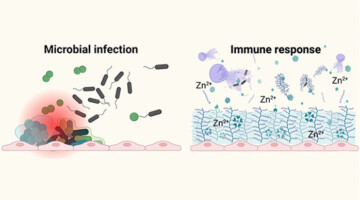
Matrix stones are an unusual type of soft kidney stone closely associated with the presence of bacteria from unchecked urinary tract infections. Researchers conducted a comprehensive study of surgically extracted matrix stones, work that highlights how host defense mechanisms against microbes can simultaneously encourage harmful stone formation. Read more »
Improving Carbon Retention in Grassland Soil from Point Reyes

Soil organic carbon directly influences the life-supporting services provided by soils, including the production of food and the regulation of atmospheric carbon dioxide. To better understand how minerals such as calcium affect carbon accumulation in soil, researchers studied soils collected from Point Reyes National Seashore. Read more »
- 1
- 2
- 3
- …
- 20
- Next Page »